


Tourism EXPO Japan 2026
Educational Heritage and World Heritage Registration Promotion Council
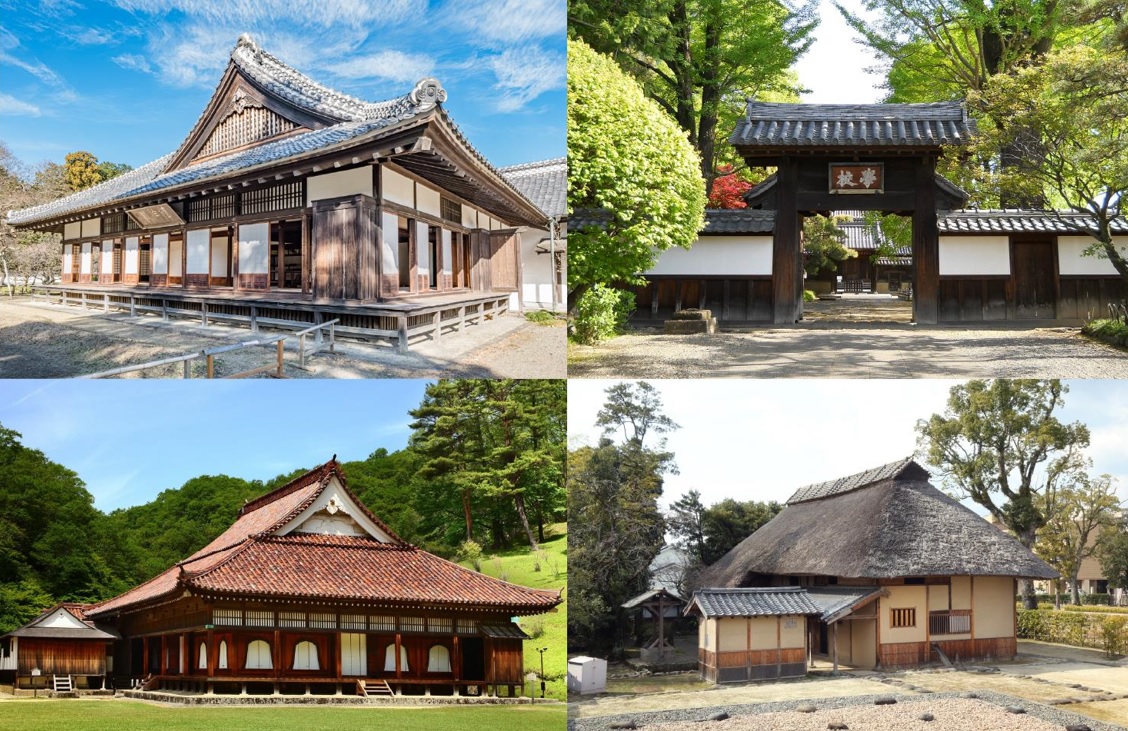
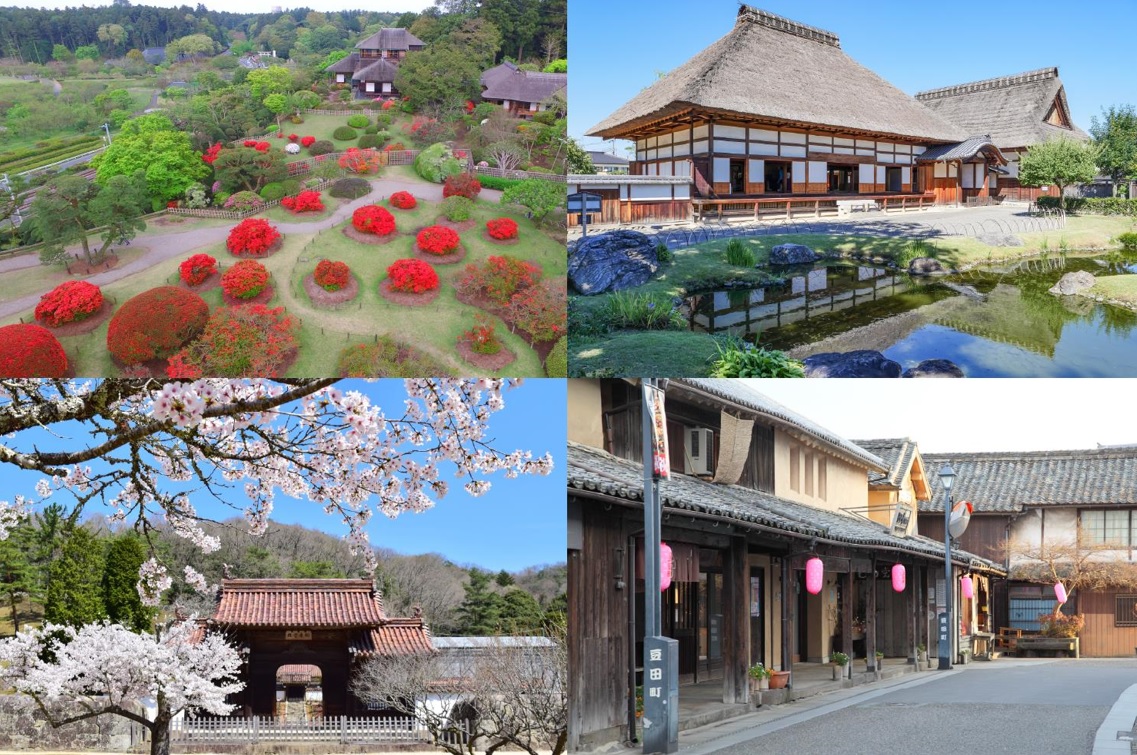
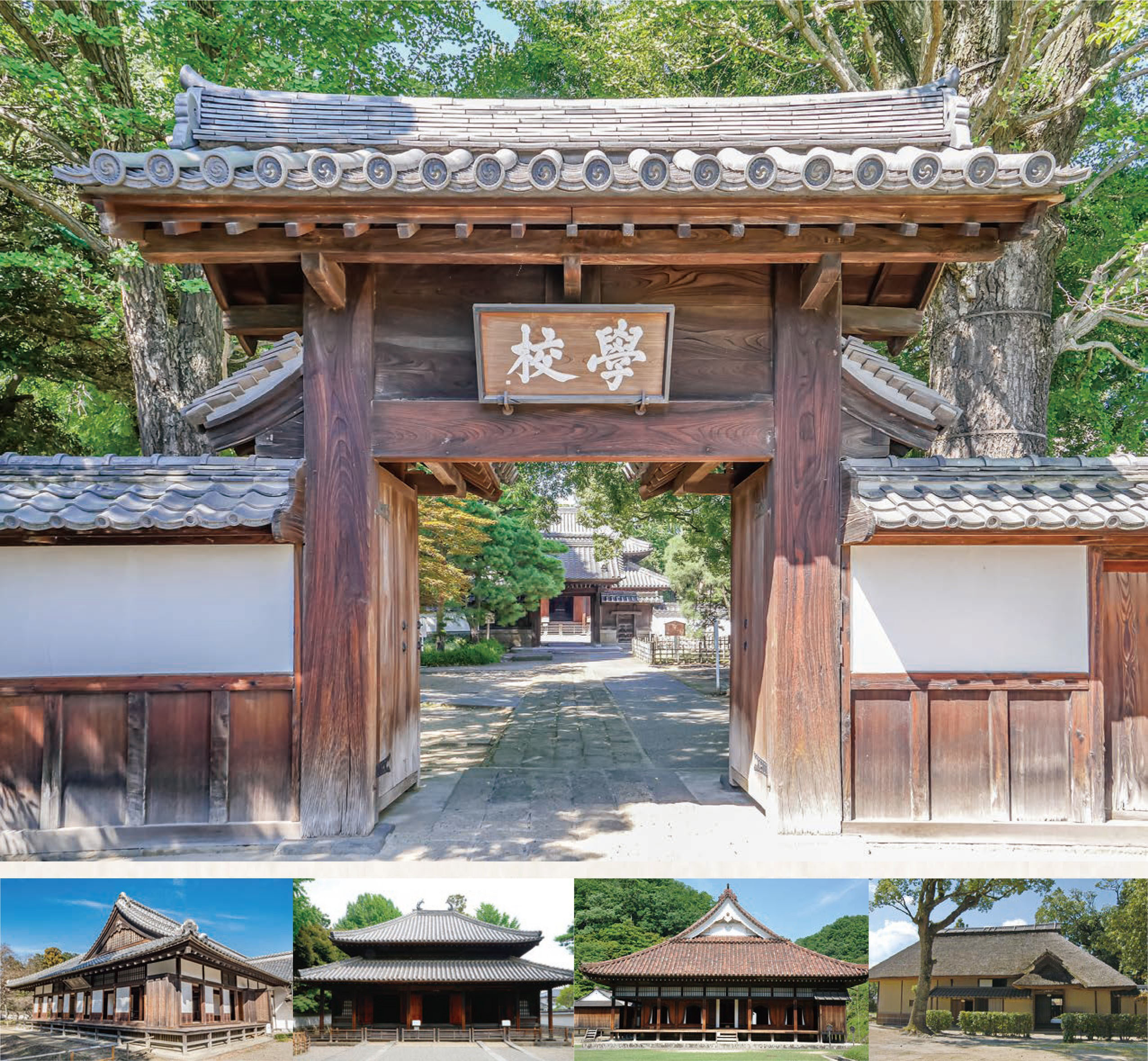
The Educational Heritage of Early Modern Japan is the first narrative to be recognized by the Agency for Cultural Affairs as Japan Heritage. Its story is told through educational heritage sites active in early modern Japan in four locations: Mito City, Ibaraki Prefecture; Ashikaga City, Tochigi Prefecture; Bizen City, Okayama Prefecture; and Hita City, Oita Prefecture.
Following the protracted period of civil war in the Sengoku period, the early modern period was a time of peace in Japan. Laws were promulgated, organizations established, and the importance of written documents grew. As a result, people from all strata of society were required to possess high degrees of literacy and knowledge, and Japanese began to seek education in wide-ranging fields.
In the light of such societal trends, statesmen and intellectuals set about establishing seats of learning; here, students could immerse themselves in everything from elementary education to sophisticated instruction in the language, history, and culture of Japan, China, and the West. These seats of learning form the heart of the educational heritage of early modern Japan. And this narrative consists of those cultural properties most representative of this heritage.
Educational Heritage of Early Modern Japan sites nationwide have welcomed large numbers of students of all ages, from all ranks of society, and from various regions across the country. They enabled students to acquire knowledge and culture in many different areas, and helped literacy permeate all classes of Japanese society; indeed, the literacy rate in Japan at that time is said to have been among the highest in the world. The educational institutions also helped establish norms of decorum. Foreigners who visited Japan around this time were effusive in their praise not only of educational standards in the country but also of the manners of the Japanese. By producing skilled leaders and human resources who would go on to play an active role in society, these educational institutions contributed both to the growth and to the stabilization of society in early modern Japan. As the thirst for knowledge grew among Japanese, so greater numbers of educational institutions were incorporated, leading to a virtuous circle of learning.
Educational heritage was a catalyst for the modernization of Japan after the Meiji Restoration. Indeed, the spirit of learning engendered at these educational institutions, and the importance they placed on decorum, helped shape the national character of present-day Japanese.
Following the protracted period of civil war in the Sengoku period, the early modern period was a time of peace in Japan. Laws were promulgated, organizations established, and the importance of written documents grew. As a result, people from all strata of society were required to possess high degrees of literacy and knowledge, and Japanese began to seek education in wide-ranging fields.
In the light of such societal trends, statesmen and intellectuals set about establishing seats of learning; here, students could immerse themselves in everything from elementary education to sophisticated instruction in the language, history, and culture of Japan, China, and the West. These seats of learning form the heart of the educational heritage of early modern Japan. And this narrative consists of those cultural properties most representative of this heritage.
Educational Heritage of Early Modern Japan sites nationwide have welcomed large numbers of students of all ages, from all ranks of society, and from various regions across the country. They enabled students to acquire knowledge and culture in many different areas, and helped literacy permeate all classes of Japanese society; indeed, the literacy rate in Japan at that time is said to have been among the highest in the world. The educational institutions also helped establish norms of decorum. Foreigners who visited Japan around this time were effusive in their praise not only of educational standards in the country but also of the manners of the Japanese. By producing skilled leaders and human resources who would go on to play an active role in society, these educational institutions contributed both to the growth and to the stabilization of society in early modern Japan. As the thirst for knowledge grew among Japanese, so greater numbers of educational institutions were incorporated, leading to a virtuous circle of learning.
Educational heritage was a catalyst for the modernization of Japan after the Meiji Restoration. Indeed, the spirit of learning engendered at these educational institutions, and the importance they placed on decorum, helped shape the national character of present-day Japanese.
Co-exhibitor of Japan Heritage
"What on Earth?!" Flame Pots and Snow Counry Culture in the Shinano River Basin :
140 Years of Japanese Wine ~ A Fermented Masterpiece of Japanese Culture ~ :
A 1,300-Year-Old Buddhist Pilgrimage :
A Cultural Heritage Linking the Sea to the Ancient Capital :
A Landscape Interwoven with Vineyards -Kyotoh-Yamanashi Wine County- :
A Miniature Garden City from the Middle Ages Built Around the Onomichi Channel :
Along the Ley Lines – Sanctuary of Sun and Earth ~ Ueda Shiodadaira: a town that lives with dragons :
An Edo Travelogue through Four Hokuso Cities :
Awa – The Home of “Ai”: Searching for the Supreme Blue of Japanese indigo :
Bantan Throughway - Gin no Bashamichi and Koseki no Michi Japan Heritage Site :
Defense Network of Satsuma Samurai Districts in the Edo Period :
Educational Heritage and World Heritage Registration Promotion Council :
Esashi Town Tourism and Community Development Council :
Eternal History Told Through Iwami's Volcanoes — Trip of Discovery to the “Jomon Forest” and “Silver Mine” — :
From Forest Railway to Yuzu Road-The Story of Japan’s Largest Yuzu-Growing Region :
Japan Heritage "Shikoku Henro" ~Circular pilgrimage route and unique pilgrimage culture~ :
Japan Heritage Tourism :
Japan's Largest Livestock Market Born of Jizo Bodhisattva Worship :
Kakaa Denka – The Peerless Wives ~ The Story of Silk in Gunma Prefecture ~ :
Kamakura ~A Historical and Cultural Mosaic~ :
Kasama and Mashiko: The Story Woven by Twin Pottery-Making Districts :
Kurashiki and the Story of Fiber - East meets west through cotton - :
Land of Izumo,Tatara Chronicle ~A Thousand Years of Iron~ :
Living with Whales :
Masuda glows with the brightness of the Age of Regional Revitalization :
Merchant Ships Carrying Goods, Culture, and Big Dreams :
Mitake Shosenkyo Gorge, the Source of Koshu's Craftsmanship — Faith, Skills and Advanced Technology Led by the Crystal's Pulse :
Mt. Mitoku and Misasa Onsen: Thrills and Spills - An Exciting Climb and Healing Hot Springs- :
Mt. Takao: Mountain of Spirits ~ Mulberry City spun with people’s prayers ~ :
No Landslide Anymore! Crossing ‘Kamenose',the heart of the ancient Tatsuta Kodo :
Okayama, the birthplace of the Legend of Momotaro, a piece of Japan Heritage-A tale of ogre conquest handed down through ancient Kibi heritage- :
Preserving the Mountain Forests of the Kiso Region :
Saiku: The Palace of Saio - the Imperial Princess Prays :
Shinobi-no-Sato Iga and Koka – Exploring the Birthplace of the Real Ninja :
Six Ancient Kilns - Ceramics Born and Raised in Japan - :
The birthplace of Shugendo, a tradition passed down through generations of believers and villagers :
The Border Islands ~ A 2300-year story of trade, cultural interaction, and conflict.~ :
The Canal to the Future ~ Koriyama/Inawashiro: In the footsteps of the pioneers ~ :
The down of Japan~woman in the Asuka Period~ :
The Geiyo Islands, home to “JAPAN’S GREATEST CORSAIR” reviving the memory of the Murakami KAIZOKU :
The Intricate World of Indigo Shibori Tie-Dyeing :
The Lake Biwa Canal: The Canal of Hope Connecting Kyoto and Otsu― Walk and boat along the canal to experience a day in the Meiji Era :
The Oldest National Highway: A 1,400-Year Legacy of History - Takenouchi Kaido & Yokooji (Daido) - :
The Prehistoric Burial Mounds of Miyazaki :
The Railway That Crossed the Sea~The Railway of Miracle and Trajectory that Connected with the World~ :
The Stone Working Skills of Fukui - Building Blocks of History :
The Story of Komatsu's Gems & Stones - A Heritage of Stone Polished by the Flow of Time :
The Story of MICHINOKU GOLD -Zipang,the Land of Gold:Tracing the Origins of Japanese Gold- :
THE STORY OF THE LORD AND HIS CITIZENS WHO TURNED A CRISIS INTO A GREAT OPPORTUNITY :
Tracing the History of a Medieval Rural Landscape :
Treasure House of Scenic Beauty Wakanoura :
Tsuwano: Then and Now: A Walk through the Hyakkeizu :
Ultimate Snow Country Tokamachi - The True Story! A Story of a heavy snowfall :
Underground Adventure ~Utsunomiya,Home of Oya Stone~ :
Yaji and Kita’s journey through Sunshu, gave rise to the first travel boom in Japan :
”Kunisaki” -where Oni and Buddhas coexist as one :
| Booth No | Y-30 |
|---|---|
| Area | Travel-related companies(Inbound to JAPAN) |
| Official site | https://manabukokoro.jp/ |
Photos